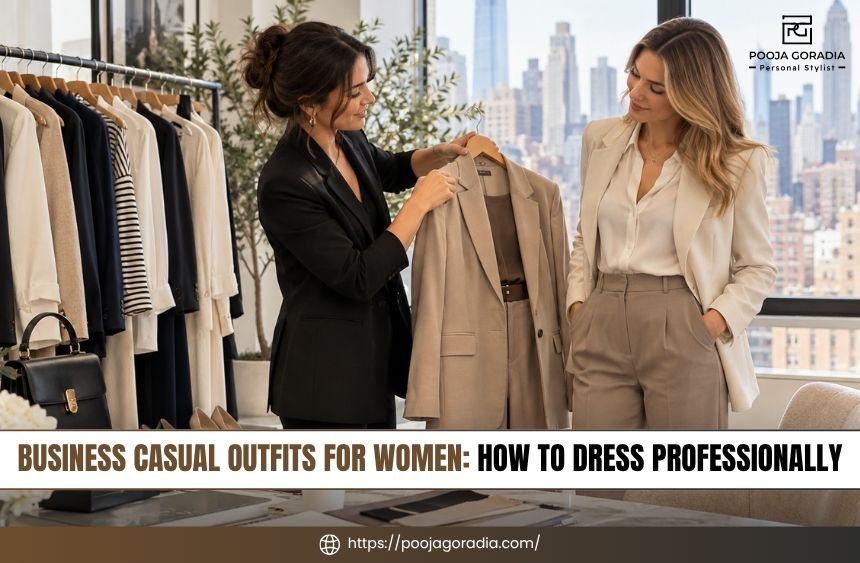
Personal Shopping in New York: How to Shop Smart and Look Great

Personal Shopping in New York is most useful when you want your wardrobe to work harder without spending more time, money, or energy on random purchases. If you have ever come home with bags full of clothes and still felt like you had nothing to wear, this topic is for you.
This article explains what personal shopping actually involves, how it differs from regular shopping, and why strategy matters more than impulse. You will also learn practical smart-shopping habits you can use on your own, plus how a personalized shopper can make the process faster, clearer, and much more effective.
What Personal Shopping Really Means in New York
Personal shopping is not just someone picking out clothes for you. Done well, it is a focused process that starts with your lifestyle, your wardrobe gaps, your fit needs, and the way you actually get dressed. In a city like New York, where your calendar might move from office meetings to dinners, weekends, travel, and events, that kind of clarity matters.
A personal shopper is there to reduce noise. Instead of walking into stores and reacting to whatever looks good on a hanger, you shop with a plan. That plan can include a wardrobe review, a list of what is missing, store selection, fit priorities, outfit combinations, and a realistic budget approach. The goal is not to buy more. The goal is to buy better.
Strategy vs Impulse
Regular shopping often starts with a feeling: a sale sign, a trend, a stressful day, or a vague sense that your wardrobe needs help. Strategy starts with questions. What do you wear most often? Where are the real gaps? What pieces will work with what you already own? Which colors, silhouettes, and fabrics make sense for your life?
That shift changes everything. When shopping becomes strategic, you are less likely to buy almost-right pieces that sit unworn. You also become more selective, which usually leads to a wardrobe that feels calmer and more functional.
What A Personal Shopper Actually Does
A personal shopper helps translate your needs into purchases that make sense together. Depending on the service, that can include identifying wardrobe priorities, pre-selecting options, guiding fittings, and helping you think through what earns a place in your closet.
At Pooja Goradia, personal shopping is naturally part of a broader styling process that can also include wardrobe editing and outfit planning when needed. That matters because shopping without context often leads to repeat mistakes. Shopping with context helps you fill gaps with intention.
Why New York Shopping Feels Different
New York offers a lot of choice, which is helpful and overwhelming at the same time. Stores are crowded, trend cycles move quickly, and it is easy to get distracted by what is available instead of what is useful. A personal shopper NYC search usually comes from that frustration.
In this market, efficiency matters. You need pieces that fit your life, not just your eye in the moment. The best shopping decisions are usually the ones that make your weekday routine, weekend plans, and special occasions easier.
How To Shop Smart Even Without A Stylist
You do not need a personal shopper near me search to start making better buying decisions. The same principles a professional uses can help you shop more calmly and avoid expensive mistakes. The point is to make each purchase answer a real need.
A smart shopping mindset is especially useful if you are rebuilding your wardrobe, adjusting to a new role, changing sizes, or simply tired of disorganized impulse buys. Small habits can improve almost every purchase.
Start With A Wardrobe Audit
Before buying anything, look at what you already own. Identify what you wear often, what rarely leaves the hanger, and what is missing from the outfits you actually reach for. Many people think they need more clothing when what they really need is better outfit completion.
This step can be as simple as separating your most-worn pieces from the rest of your closet. Once you see patterns, shopping gets easier because you are no longer guessing.
Build A Short List Of Real Gaps
A good shopping list is specific. Instead of writing “new tops” or “better shoes,” narrow the list down. Maybe you need a polished black knit for work, comfortable loafers for commuting, or a better jacket for layering. The more specific the need, the easier it is to buy something that will actually get worn.
This also protects you from duplicating what you already have. Specificity saves money.
Check For Outfit Compatibility
A useful piece should work with at least three things already in your closet. That does not mean every item needs endless styling options, but it should not depend on a single outfit to justify itself. If a piece only works with one skirt or one pair of pants, it is probably too fragile for a real wardrobe.
Thinking this way helps you shop with a full outfit in mind instead of treating each item as a standalone purchase.
Pay Attention To Fit, Not Just Size
One of the biggest shopping mistakes is assuming the label matters more than the fit. In reality, fit changes how polished, comfortable, and wearable a piece feels. If the shoulders pull, the waist sits oddly, or the hem makes you second-guess the outfit, you will probably not wear it often.
When a garment almost works, people often hope tailoring or “breaking it in” will fix it. Sometimes it can. Often it cannot. It is better to be honest in the fitting room.
Shop For Your Life, Not A Fantasy Version Of It
This is where many wardrobes lose clarity. People buy clothes for the meetings they hope to have, the vacations they think they will take, or the version of themselves they imagine on a stressful day. Smart shopping stays grounded in your real routine.
If your life includes commuting, school drop-off, travel, hybrid work, client lunches, or frequent evenings out, your wardrobe should reflect that mix. The best closet supports your actual week.
What Makes Personal Shopping More Effective Than Shopping Alone
Personal shopping becomes powerful when you need judgment, structure, and follow-through. A personalized shopper is not only there to find options. The real value is in helping you make decisions faster and with less second-guessing.
That support matters most when your closet feels disconnected, your schedule is too full to browse store after store, or you are tired of buying things that do not fully fit your life. The right help can turn shopping from a draining errand into a productive process.
Better Filtering Means Less Waste
When you shop alone, you may look at dozens of options and still not know what to choose. A personal shopper narrows the field before you ever try things on. That saves time, but it also reduces the mental fatigue that comes from comparing too many nearly identical pieces.
Less waste is not only about money. It is also about avoiding closet clutter and the frustration of purchases that never become part of your regular rotation.
A Stronger Link Between Wardrobe And Lifestyle
A great shopping session should feel connected to how you live. If you need polished pieces for work, versatile items for travel, or elevated casual clothes for everyday wear, the selections should reflect those needs. A personal shopper helps translate your lifestyle into a wardrobe plan you can actually use.
At Pooja Goradia, this often pairs naturally with wardrobe editing and outfit styling, because good shopping decisions are easier when you know what already works and where the true gaps are.

Better Decisions In The Fitting Room
The fitting room is where many shopping mistakes get made. People are often influenced by lighting, pressure, excitement, or the fear of leaving empty-handed. A shopper helps slow that process down.
Instead of asking, “Do I like this right now?” you ask, “Will this work with my wardrobe, my schedule, and my comfort level?” That is a much better question.
More Confidence After The Purchase
The best personal shopping experiences do not end at checkout. They end when the new pieces actually fit into your wardrobe and make getting dressed easier. That might mean a few complete outfits, a clearer color direction, or a closet that finally feels cohesive.
Confidence comes from knowing the clothes were chosen with intention, not luck.
When Personal Shopping Makes The Most Sense
Not every wardrobe issue requires a shopping trip. Sometimes the better solution is editing what you already own. But personal shopping becomes especially helpful when you are in a transition, facing a time constraint, or trying to shop more wisely after repeated mistakes.
This is usually when a structured approach creates the biggest payoff.
Common Situations Where It Helps
Personal shopping can be a smart move when you are:
- Starting a new job or stepping into a more polished role
- Rebuilding a wardrobe after weight changes, life changes, or a move
- Trying to dress for events, travel, or a new season with less stress
- Replacing worn-out basics that no longer do their job
- Looking for a more intentional way to spend on clothes
These are not small moments. They are the times when your wardrobe needs to work harder than usual.
When Shopping Alone Usually Falls Short
If you keep buying pieces that do not go with anything, it is rarely a motivation problem. More often, it is a strategy problem. You may not be clear on your color palette, your most-needed categories, or the role each item should play.
What To Expect From Right Approach
A good personal shopping process should feel organized, not random. You should know what the goals are, what kinds of pieces are being considered, and how the selections support your closet. If anything feels vague, it is worth asking for more clarity before you buy.
Clear process leads to clearer results.
How To Get The Most From Personal Shopping In New York
If you are investing in Personal Shopping in New York, a little preparation makes the session far more effective. The more your shopper understands about your wardrobe and routine, the easier it is to find pieces that make sense right away.
This is also where Pooja Goradia’s styling approach can be especially helpful. Personal shopping works best when it is connected to real wardrobe context, not just a day of browsing.
Bring Clarity About Your Needs
Before the session, think through what is not working. Do you need office clothes, polished casual wear, event outfits, better shoes, or pieces that fit a specific lifestyle shift? The clearer you are, the more focused the shopping can be.
You do not need to have every answer. You just need to know where the friction is.
Share What You Already Own
One of the easiest ways to improve a shopping outcome is to build around existing pieces. When your shopper understands your best jeans, favorite blazer, trusted shoes, or most-worn colors, new purchases can be chosen to support them.
That is where personal shopping becomes more practical than trend-led browsing. It creates continuity.

Be Honest About Comfort And Budget
A good wardrobe is not built on pieces you admire but never wear. If something feels too tight, too delicate, too formal, or too expensive for your actual use, say so. Honest boundaries lead to better recommendations.
Budget matters here too. You do not need to overspend to shop well. You do need to know where to invest and where to stay simple.
Follow Through After The Session
Shopping is only part of the process. Once the pieces are in your closet, take time to build outfits around them. Try them with what you already own. Keep the combinations that feel easy. Return or remove anything that does not earn its place.
This follow-through is what turns a good shopping day into a better wardrobe.
What To Look For In A Personal Shopper NYC
Choosing the right personal shopper NYC style support is about more than finding someone with taste. You want someone who can think clearly, listen carefully, and help you make practical decisions that fit your life.
The right fit should feel collaborative and focused. You should leave with more clarity, not more confusion.
Signs Of A Strong Fit
Look for someone who asks about your routine, your goals, your closet, and your budget before talking about specific items. That kind of process shows the shopper is thinking about the full picture, not just the store floor.
You should also feel comfortable being honest. If the process feels performative or rushed, it may not be the right match.
Why Styling Context Matters
A shopper who understands wardrobe editing and outfit planning can help you make better decisions than someone focused only on single-item purchases. That broader context helps ensure each new piece has a job.
At Pooja Goradia, that wider lens is central to the process. Shopping becomes more effective when it supports the wardrobe you already have and the outfits you actually need.
Questions Worth Asking Before You Book
Before you commit, it helps to ask how the process is structured, how wardrobe gaps are identified, how selections are curated, and what kind of follow-up is included. Those details help you judge whether the support will actually save you time and stress.
The point is not to find the most dramatic transformation. It is to find the most useful one.
Wrapping Up
Personal Shopping in New York works best when it is treated as a strategy, not a shopping spree. When you know what your wardrobe needs, what fits your lifestyle, and how each purchase will be used, you make better decisions and waste less time.
Even if you never work with a stylist, the smartest habits are the same: audit what you own, shop with a specific purpose, check outfit compatibility, and stay honest about fit and comfort. If you want more support, a personal shopper can bring structure, objectivity, and wardrobe expertise to the process so your purchases feel more intentional and easier to wear.
If you are ready to make shopping feel more practical and less overwhelming, Pooja Goradia’s Personal Shopping service can help you build a wardrobe that works in real life, not just in the fitting room.