How an Outfit Stylist Elevates Finance Professionals in NYC
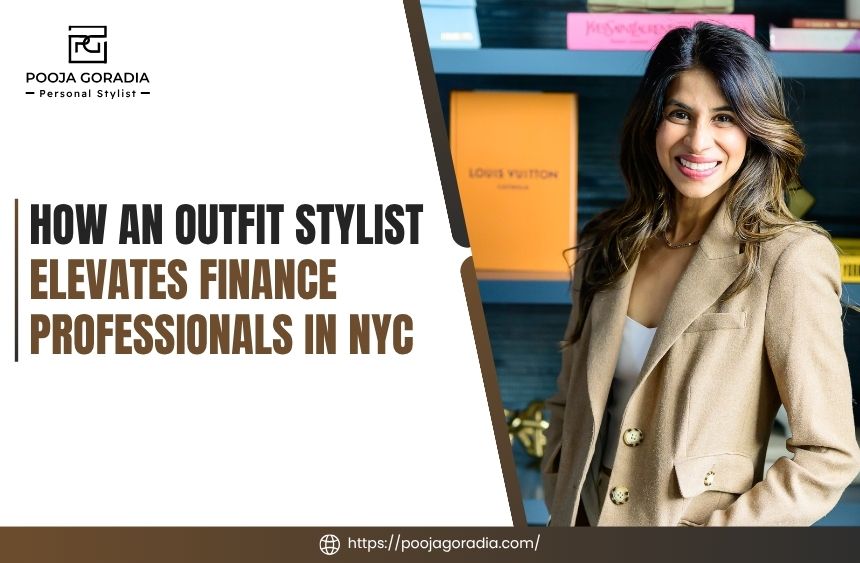
An outfit stylist can help finance professionals in NYC dress with more confidence for client meetings, presentations, networking events, and demanding workdays without turning the wardrobe into a daily decision-making project.
In finance, clothing often needs to communicate credibility before a conversation begins, but the right answer is not always the most formal or expensive outfit.
This guide explains how professional styling can help you read your work environment, build efficient outfit formulas, avoid common mistakes, and create a polished image that still feels like you.
How an Outfit Stylist Supports Finance Professionals in NYC
Finance professionals rarely dress for only one situation. A typical week may include an early train ride, an internal meeting, a client presentation, a last-minute video call, and dinner with colleagues or clients.
Each setting may call for a slightly different level of formality, yet your wardrobe still needs to feel cohesive.
An outfit stylist starts by looking at the reality of your work rather than applying a generic dress code.
That includes your role, seniority, firm culture, client expectations, commute, travel schedule, comfort preferences, and the clothes you already own. The goal is to make your wardrobe support your responsibilities instead of creating another task to manage.
Reading the Expectations of Finance
Finance does not have one universal uniform. A private wealth professional meeting a longstanding client may need a different visual approach from someone working in a more casual technology-focused investment environment.
A junior analyst may want to look prepared and polished without appearing overdressed, while a senior professional may need clothing that reinforces authority without seeming inaccessible. An outfit stylist can help make that choice repeatable.
The most reliable professional wardrobe usually has a controlled, intentional quality. Fit matters. So do condition, proportion, fabric, shoes, outerwear, and grooming. A well-maintained outfit in a restrained color palette can often appear more credible than a costly outfit that is visibly uncomfortable, poorly fitted, or unrelated to the setting.
An outfit stylist helps you identify those signals. That may mean adjusting the shoulder line of a jacket, refining trouser length, replacing tired shoes, or introducing more versatile layers.
These changes are practical, not cosmetic. When your clothes sit correctly and work together, you spend less energy monitoring your appearance during an important conversation.
Building Credibility Without Losing Personal Style
Professional dressing should not require you to erase your personality. A finance wardrobe can include color, texture, jewelry, prints, or a distinctive accessory when those elements are used with intention.
The question is not whether an item is expressive. The question is whether it supports the message you want to send in that particular room. This is where an outfit stylist can add practical clarity.
For example, a strong color may work well in a networking setting but need to be balanced with quieter pieces for a conservative client meeting.
A patterned blouse can feel polished under a tailored jacket, while the same pattern may become distracting when combined with several other high-contrast elements. An outfit stylist can help connect that decision to the rest of your wardrobe.
At Pooja Goradia, corporate styling is approached as a practical conversation between professional expectations and personal identity. The objective is not to make every client look the same. It is to help each person understand what makes an outfit feel credible, comfortable, and appropriate for real work situations.

What Should Finance Professionals Wear for Client Meetings and Presentations?
High-visibility moments deserve more planning than an ordinary office day. The best outfit is one that allows you to focus on the meeting, move comfortably, handle temperature changes, and feel aligned with the audience in front of you.
That is the kind of trade-off an outfit stylist can help you evaluate.
Before choosing clothing, consider four factors: who will be present, how formal the setting is, what your role will be, and what the day requires before and after the meeting.
A presentation at a client’s office, a breakfast meeting, and an evening event may all involve professional credibility, but they do not necessarily require identical outfits.
Client Meetings and Presentations
For a client-facing meeting, begin with a reliable foundation. This might be a well-fitting suit, a tailored jacket with coordinated trousers or a skirt, or a polished dress with an appropriate layer.
The right combination depends on your workplace and the client’s expectations. An outfit stylist can help turn that requirement into a reliable formula.
Fit should allow you to sit, stand, walk, and reach without constant adjustment. Test the outfit in advance rather than discovering during the presentation that a jacket pulls when you lift your arms or that shoes become painful after a short walk through Midtown.
If you are carrying presentation materials or a laptop, make sure your bag works with the outfit and does not force you to compromise your posture. This gives an outfit stylist useful context for planning complete looks.
Color can also help establish the right tone. Neutrals and deep, restrained shades are often easy to coordinate and photograph well on video.
That does not mean every outfit needs to be black, navy, gray, or white. A muted color, a subtle stripe, or a considered accessory can add personality while keeping the overall impression composed.
Avoid introducing an untested outfit immediately before an important presentation. New clothing may require tailoring, different undergarments, breaking in, or a change in styling. Familiar pieces are often the smarter choice when the stakes are high.
Networking, Conferences, and Industry Events
Networking requires a slightly different balance. You want to look credible, but you also need to appear open to conversation.
An outfit that is too rigid, uncomfortable, or formal for the event can create distance and make you feel self-conscious. An outfit stylist can help test whether that option works across your schedule.
A useful approach is to keep one polished anchor and make the rest more approachable. That anchor could be a tailored jacket, a refined dress, a distinctive blouse, or a well-structured pair of trousers.
The remaining pieces can introduce softer texture, a lighter color, or a more relaxed shoe, depending on the event.
NYC events also involve practical considerations that are easy to overlook. You may walk several blocks, move between indoor and outdoor spaces, or need an outfit that works under a coat.
A stylist considers the complete journey, including transportation, weather, bag choice, and the amount of time you will be standing. That information helps an outfit stylist focus on the pieces you will actually use.
The Office-to-Dinner Transition
A finance professional may leave a Downtown office and go directly to a client dinner, fund event, or networking drink. A successful transition does not require carrying an entirely separate wardrobe. It requires a few pieces that can change the tone of an outfit.
For example, a tailored daytime look can shift with a change of shoes, a more refined accessory, a different blouse, or the removal of a conservative jacket.
A dress worn with a structured layer during the workday may feel ready for dinner when paired with a more noticeable earring or a different shoe.
These changes should be planned around what you can realistically carry and change in a restroom or office, not an idealized version of your schedule. An outfit stylist can help refine that choice without adding unnecessary complexity.
The most useful outfit formulas are the ones you can repeat. Repetition is not a lack of style. It is a way to reduce decision fatigue while maintaining a consistent professional image.
How an Outfit Stylist Makes a Finance Wardrobe More Efficient
A polished wardrobe is not necessarily a large wardrobe. It is a wardrobe in which the pieces support your calendar, coordinate with one another, and earn their place through frequent use. For professionals with long hours, an efficient closet can make a noticeable difference at the start of every day.
Audit the Wardrobe Before Shopping
Shopping before reviewing your closet often leads to duplicates. You may buy another black blazer because the existing one is difficult to find, another blouse because the current options do not fit correctly, or another pair of shoes because nothing feels comfortable enough for commuting.
That is a practical question to work through with an outfit stylist.
A wardrobe edit begins by separating the clothing you actually wear from clothing that belongs to an imagined lifestyle. The review considers fit, condition, frequency of use, maintenance, versatility, and emotional response.
An item may be beautiful but still unsuitable if it wrinkles immediately, requires uncomfortable undergarments, or works only with one outfit. An outfit stylist can help relate that choice to your role and workplace culture.
The purpose is not to force you to discard everything that is not currently in rotation. Some pieces may need tailoring, cleaning, repair, or a clearer outfit pairing. Others may represent a past role or an outdated expectation and no longer deserve valuable closet space.
Create Repeatable Outfit Formulas
Once the wardrobe is understood, outfit formulas make daily dressing faster. A formula is a repeatable structure, not a rigid uniform. It gives you a starting point and allows variation through color, texture, accessories, and layers. This is the kind of wardrobe decision an outfit stylist can help streamline.
Useful formulas might include a tailored jacket over a simple top with coordinated trousers, a polished dress with a structured layer, or a knit shell with a skirt and refined flats.
For internal office days, the same foundation may work with a less formal layer or more comfortable footwear. For travel, wrinkle-resistant separates and a compact outer layer may be more practical than a complete suit.
The important question is whether the formula reflects your actual week. If you attend frequent presentations, you may need more than one outfit that works under a jacket and looks composed on camera.
If you move between offices and client sites, footwear and outerwear may deserve as much attention as the clothing underneath. An outfit stylist can help you compare that option with the rest of your workwear.
At Pooja Goradia, outfit styling and wardrobe planning can be useful when you have clothes you like but cannot consistently combine. The value is often in seeing new relationships between existing pieces, not automatically buying more.

Shop With a Purpose
When shopping is necessary, start with a gap rather than a mood. A useful shopping list might include a jacket that works with three existing bottoms, a pair of comfortable shoes for long city days, or a dress that can move from a work presentation to an evening engagement.
That detail gives an outfit stylist a clearer basis for building combinations.
A personal clothing stylist or fashion consultant services can help evaluate those decisions through the lens of your current wardrobe. Consider fabric, care requirements, fit, proportion, color compatibility, comfort, and how often the item is likely to be worn.
A lower-priced item that needs frequent replacement may not be better value than a more durable piece, but the most expensive option is not automatically the right choice either. An outfit stylist can help identify whether the issue is fit, function, or coordination.
For professionals who prefer remote guidance, an online personal styling service may be appropriate for outfit planning, shopping direction, or reviewing specific wardrobe questions. The scope and process can vary, so it is sensible to clarify what kind of support you need before beginning.
A focused session may be enough for an upcoming transition, while a broader wardrobe review may make more sense when the problem affects your entire workweek. Working with an outfit stylist can make that transition easier to plan in advance.
Common Workwear Mistakes Finance Professionals Make
Most professional wardrobe problems are not caused by a lack of taste. They usually come from a mismatch between clothing, schedule, workplace context, and maintenance.
Identifying the underlying issue is more useful than responding with another shopping trip. An outfit stylist can help keep that solution polished without making it impractical.
Dressing for a Generic Dress Code
One common mistake is dressing according to a broad idea of what finance professionals are supposed to wear. A rigid interpretation can make you feel overdressed in a relaxed office or underprepared in a conservative client environment.
Pay attention to the people you actually need to meet, the expectations of your team, and the situations in which your credibility matters most.
A wardrobe can include different levels of formality without becoming inconsistent. The key is knowing how to adjust it. That context helps an outfit stylist recommend a level of formality that makes sense.
Ignoring Fit, Maintenance, and Movement
A garment that looks good on a hanger may not work during a twelve-hour day. Trousers that pull when seated, sleeves that restrict movement, shoes that are too delicate for the commute, and fabrics that crease quickly can all undermine confidence.
Maintenance matters as well. Pilling, loose hems, scuffed footwear, and wrinkled layers are small details, but they affect the total impression. Build a realistic care routine and identify which pieces require steaming, tailoring, polishing, or professional cleaning.
A wardrobe that demands more maintenance than your schedule allows is not an efficient wardrobe. An outfit stylist can help make that choice repeatable.
Buying Statement Pieces Instead of Solving Wardrobe Gaps
A memorable item can be appealing, especially after a stressful week. But a distinctive blouse or dramatic jacket will not solve the problem if you lack comfortable trousers, practical layers, or shoes that work with the rest of your closet.
Before purchasing, ask what the item can work with, when you will wear it, and whether it supports a real situation on your calendar. If the answer depends on buying several more pieces, the purchase may be adding complexity rather than value.
Treating Professional Style as a Performance
Trying to look authoritative can become exhausting when it means wearing clothes that do not feel like you.
Constantly adjusting an outfit, avoiding movement, or worrying that your appearance is sending the wrong message can distract from your work. This is where an outfit stylist can add practical clarity.
A thoughtful image consultant helps translate professional expectations into choices you can actually sustain. The goal is not to perform confidence through clothing. It is to remove avoidable friction so your clothing supports the confidence and competence you already bring to the room.
Going to dinner date? Read The 5 Dinner Date Outfit Mistakes a Stylist Sees Most Often
Choosing the Right Styling Support for a Finance Career
The right service depends on the problem you are trying to solve. You may not need a complete wardrobe overhaul if your main concern is an upcoming presentation.
Conversely, shopping for a few new pieces may not help if your closet is crowded, disorganized, and disconnected from your current role. An outfit stylist can help connect that decision to the rest of your wardrobe.
Match the Service to the Problem
A wardrobe edit or closet organization and review can be a strong starting point when you have plenty of clothing but few dependable outfits. It can clarify what fits, what needs alteration, what is worth keeping, and what is missing.
Outfit styling is useful when you want practical combinations for a specific schedule, such as client meetings, travel, presentations, or office-to-dinner days.
Personal shopping can help when you have clear gaps and want support selecting pieces that work with what you own. That is the kind of trade-off an outfit stylist can help you evaluate.
A broader corporate styling or Style Reset approach may be appropriate when your role, workplace, or level of visibility has changed. For remote clients or those who need planning support between sessions, an online personal styling service may offer a convenient format.
The best choice depends on your needs, preferences, wardrobe, and the styling process available. An outfit stylist can help turn that requirement into a reliable formula.
Pooja Goradia’s professional styling support can help connect these pieces: understanding your work context, evaluating your existing wardrobe, identifying priorities, and creating outfits that feel polished without becoming impractical.
The process should begin with a clear conversation about your goals rather than an assumption that every client needs the same solution.
Prepare for a Productive Styling Process
You can make a styling session more useful by bringing context. Consider your typical workweek, upcoming meetings, office dress expectations, commute, travel, preferred level of formality, and the outfits you repeatedly reach for.
It also helps to identify what you avoid wearing and why. This gives an outfit stylist useful context for planning complete looks.
Be specific about discomfort. “I do not like this” may mean the neckline feels exposed, the fabric wrinkles, the waistband restricts sitting, or the item does not feel aligned with your role. Those details help a stylist solve the actual problem.
If you have upcoming events, share them in advance. A client presentation, conference, promotion, interview, or new leadership responsibility may require different wardrobe decisions.
Styling is more effective when it responds to real dates and situations rather than abstract aspirations. An outfit stylist can help test whether that option works across your schedule.
Why Professional Guidance Can Be Worthwhile
The benefit of working with a stylist is not simply having someone choose clothing. It is gaining a clearer decision-making framework. You learn which silhouettes, colors, layers, and accessories serve your professional life and how to repeat those choices in different combinations.
That clarity can reduce impulse purchases and help you use existing pieces more fully.
It can also reveal when a problem is better solved through tailoring, maintenance, organization, or a small targeted purchase instead of a complete replacement. That information helps an outfit stylist focus on the pieces you will actually use.
For finance professionals in NYC, where schedules move quickly and first impressions can matter, that practical clarity is often the most valuable outcome. A wardrobe should make it easier to prepare for the day, not compete with the work you need to do.
Wrapping Up
The strongest professional wardrobe for a finance career is built around context. Client meetings, presentations, networking events, commuting, travel, and dinners each place different demands on your clothes, but they can still be supported by one clear and flexible system.
An outfit stylist helps you identify the right level of polish, improve fit and comfort, create repeatable outfit formulas, and shop only for meaningful gaps. The result does not need to be rigid or impersonal. It should feel credible, functional, and true to you.
If your current wardrobe creates more hesitation than confidence, Pooja Goradia can help you assess the problem through corporate styling, wardrobe editing, outfit planning, and personalized shopping support. An outfit stylist can bring structure to the process so your clothes support your professional goals and your real life in NYC. For a closer look at Pooja Goradia’s approach to professional style, follow on Instagram for real-world outfit inspiration and styling ideas.