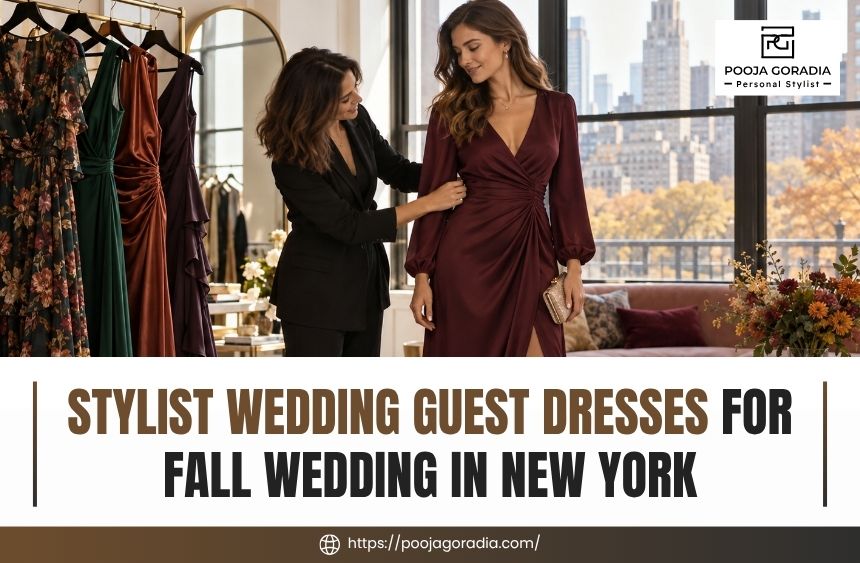
Can a Dressing Stylist Help Me Feel Confident at Work?

A dressing stylist can help you feel more prepared for work by making your wardrobe easier to understand, easier to wear, and more aligned with your professional environment. The goal is not to dress like someone else or rely on clothing to guarantee confidence, success, or recognition.
Intentional workwear can simply remove some of the uncertainty from your day. By looking at workplace expectations, outfit consistency, comfort, career transitions, and the clothes you already own, you can decide whether a corporate dressing stylist or image consultant could help you create a more practical professional wardrobe.
Why a Dressing Stylist Can Help With Workplace Wardrobe Decisions
Workplace dressing is rarely as simple as following a written dress code. Even when an employer uses terms such as business casual, smart casual, or professional attire, the day-to-day interpretation may depend on your industry, team, location, seniority, client interactions, and the specific responsibilities on your calendar.
A dressing stylist helps translate those variables into clothing decisions you can actually use. That may mean reviewing your existing wardrobe, identifying reliable outfit combinations, clarifying where your current clothes fit within your work environment, or planning for situations that currently leave you unsure.
From General Dress Codes to Real-World Expectations
A dress code usually sets a broad boundary. It does not always explain what to wear for a presentation, an internal meeting, a client call, a networking event, or a day when you will move between the office and another location.
The same outfit may feel appropriate in one workplace and too formal or too relaxed in another. A dressing stylist can help make that choice repeatable.
A thoughtful styling process considers context before recommending clothes. For example, a polished work outfit might include tailored trousers and a knit top in one office, while a softer jacket, a dress, or a more structured suit may be more suitable for a presentation or external meeting.
The answer depends on the setting, your role, and how much formality the occasion requires.
This approach is more useful than applying rigid rules about hemlines, colors, or body shape.
Professional dressing should help you participate comfortably in your work environment, not force you into a narrow definition of what a professional woman should look like. This is one area where a dressing stylist can add practical clarity.
Clothing as a Practical Work Tool
The most useful corporate styling is often less about creating a dramatic new image and more about reducing friction. When you know which clothes work together, you spend less time questioning whether an outfit is appropriate and more time getting on with your morning.
That does not mean wearing the same look every day. It means having enough structure in your wardrobe to make decisions confidently.
A small set of dependable combinations can give you a starting point when you are tired, traveling, running late, or preparing for a demanding day. A dressing stylist can help connect that decision to your real schedule.
At Pooja Goradia, a workplace wardrobe can be approached as a practical system rather than a shopping list. The focus is on understanding what your work life asks of your clothing and making the pieces you own more useful.
New purchases may be part of the solution, but they are not automatically the solution. That is the kind of detail a dressing stylist can help you evaluate.

How a Professional Wardrobe Strategy Reduces Decision Fatigue
Decision fatigue often appears as a wardrobe problem. You may own plenty of clothing, yet repeatedly reach for the same two outfits because the rest of your closet feels difficult to combine, uncomfortable, too casual, too formal, or unsuitable for your schedule.
A professional wardrobe strategy creates clarity by connecting individual pieces to real occasions. Instead of asking, “What should I wear?” every morning, you can ask a more manageable question: “Which outfit formula fits today’s responsibilities?”
Building Outfit Formulas That Still Feel Personal
An outfit formula is a repeatable structure, not a uniform. It might be tailored pants with a simple top and a layer, a dress with a jacket and comfortable shoes, or dark jeans with a polished knit and refined accessories if your workplace allows denim.
The formula gives you a foundation while color, texture, silhouette, and accessories keep it personal. A dressing stylist can help turn that concern into a workable outfit plan.
For example, someone with a hybrid schedule might need three levels of dressing: comfortable home-office outfits, polished office combinations, and more structured looks for presentations or client-facing days. Someone who travels may need layers that work across changing temperatures and pieces that can be worn in multiple combinations.
The advantage is consistency without repetition. Once you know that several tops work with two pairs of trousers and a particular jacket, you have more options than a single outfit, but fewer decisions to make.
Choosing Pieces for Comfort and Repeat Wear
Comfort is not a secondary concern in workwear. If a waistband restricts movement, shoes are difficult to walk in, or a fabric requires constant adjustment, you are less likely to wear the item regularly.
A garment can look polished on a hanger and still fail in your actual workday. This gives a dressing stylist useful context for refining your wardrobe.
Evaluate clothes according to movement, layering, temperature, care requirements, and the time you spend sitting, standing, commuting, or traveling. Consider whether a jacket pulls when you reach forward, whether a blouse stays in place, and whether a shoe is practical for the distance you walk.
There are trade-offs. A highly structured item may create a sharper silhouette but require more maintenance.
A softer knit may be easier to wear but need thoughtful pairing so the outfit does not feel too casual. The right choice depends on your priorities and workplace, not on a universal definition of polished.
A wardrobe review can also reveal that the issue is not a lack of clothing but a lack of finishing pieces. A useful belt, comfortable shoe, layer, or properly fitting base may make several existing outfits feel complete.
That kind of editing supports sustainability because it prioritizes using what already works before adding more. A dressing stylist can help test whether that solution works across multiple days.
What Should You Wear When Workplace Expectations Keep Changing?
Appropriate work outfits depend on more than whether an item is traditionally considered professional. Start with the day’s setting: who will see you, what you need to do, how much movement is involved, and whether the environment is formal, creative, conservative, casual, or mixed.
There is no single list of outfits for women at work that applies equally to every office. A strong wardrobe gives you enough range to adjust your level of structure while still feeling like yourself.
Dressing for Meetings, Presentations, and Regular Office Days
For a regular office day, comfort and repeatability may matter most. A coordinated knit, trouser, and layer can provide polish without feeling overdone.
In a more relaxed environment, a refined blouse with dark denim and intentional accessories may be appropriate, provided it fits the workplace culture. That information helps a dressing stylist focus on what will actually be useful.
Meetings and presentations may call for additional structure. You might choose a jacket, a sharper trouser, a dress with a defined layer, or a stronger color contrast.
The purpose is not to create authority through clothing alone. It is to make sure your outfit does not add avoidable uncertainty when your attention needs to be on the conversation.
Check the details that often influence how finished an outfit feels: clean and appropriate footwear, a garment that fits comfortably, a useful layer, and accessories that do not interfere with your work.
These small decisions are usually more dependable than chasing trends. A dressing stylist can also show how that choice fits with pieces you already own.
Navigating Hybrid Work, Events, and Travel
Hybrid work makes wardrobe planning more complicated because your clothing may need to work on camera, in an office, at home, and during a commute.
A top that looks effective on video may not be comfortable for a full day, while an outfit that feels relaxed at home may need a quick adjustment before an in-person meeting. This is the sort of wardrobe question a dressing stylist can help simplify.
Create combinations that can shift easily. A comfortable base layer can work at home, then become more polished with a jacket, earrings, or a different shoe.
For travel, prioritize pieces that layer well, resist excessive wrinkling, and coordinate with more than one item. Avoid building a separate wardrobe for every possible scenario unless your schedule genuinely requires it.
Work events also deserve consideration. A networking gathering, industry dinner, or company celebration may sit between office attire and occasion dressing.
When the expectation is unclear, look for cues from the invitation, location, time of day, and what colleagues typically wear. If uncertainty remains, a stylist can help you create a practical interpretation rather than an overly literal one.
When Personalized Styling Guidance Is Especially Useful
A dressing stylist can be particularly helpful when your wardrobe no longer matches the life or role you are dressing for.
This often happens after a new job, a return to the workplace, a change in responsibilities, a move into a more client-facing position, or a shift in your personal comfort and lifestyle.
It can also help when shopping has become repetitive and frustrating. If you keep buying individual pieces without knowing how they will work with the rest of your closet, the problem may be a missing strategy rather than a missing item.
What a Tailored Styling Process Can Clarify
Personalized guidance can help answer practical questions such as:
- Which existing pieces are appropriate for your current workplace? Working with a dressing stylist can make that trade-off easier to evaluate.
- What should be altered, replaced, combined, or set aside?
- Which outfit combinations support regular office days, meetings, travel, and events?
- What should you prioritize if you have a limited amount of time or a defined shopping budget?
A wardrobe edit may be the right starting point if your closet feels crowded or disconnected. Outfit styling can help if you own good pieces but struggle to put them together.
Personal shopping may be useful when you know what situations you need to dress for but cannot efficiently find the right additions. Corporate styling can bring these questions into a broader workplace context. A dressing stylist can help translate that need into a practical combination.
At Pooja Goradia, the value of this process is not simply receiving a list of clothes. It is gaining a clearer understanding of why certain combinations work for your responsibilities, preferences, and daily routine.
Online and In-Person Support
An online personal style service may be useful for wardrobe planning, outfit coordination, reviewing needs, and creating guidance when meeting remotely is more practical.
In-person support can be valuable when you want a closer look at fit, closet organization, proportions, or shopping decisions. The best format depends on your goals and the scope of the service.
If you are searching for an image consultant in Soho, New York you can work with, consider whether the process is grounded in your real circumstances. Ask how the stylist approaches workplace expectations, existing clothing, comfort, personal taste, and shopping priorities.
A useful consultation should leave you with clearer decisions, not pressure to replace your entire wardrobe. That detail gives a dressing stylist a clearer basis for making recommendations.
The same principle applies whether support is local or remote: professional styling should adapt to you. It should not require you to abandon clothes you enjoy or adopt an image that feels disconnected from your work and identity.
How to Decide Whether You Need a Dressing Stylist
You may benefit from a dressing stylist if getting dressed for work takes too much time, your outfits feel inconsistent, or you are entering a professional situation that your current wardrobe does not support.
You may not need a full styling service if a small amount of organization, tailoring, or outfit planning solves the problem.
The decision becomes easier when you identify the source of the difficulty. Is your closet missing practical basics? Do you have enough clothes but no combinations? Are you unsure about workplace expectations? Are comfort and fit preventing you from wearing items you like? Each issue calls for a different response.
Signs Your Wardrobe Needs a Strategy, Not More Items
Look for repeated patterns. You may be buying clothes for a future version of your work life, keeping items that no longer fit your responsibilities, or purchasing attractive pieces that do not coordinate with what you own.
You may also be relying on one outfit because it is the only combination that feels safe. A dressing stylist can help you compare that option against your usual workday.
These patterns do not mean you have poor style. They usually indicate that your wardrobe has not been organized around your current life.
A professional review can separate true gaps from items that only need a new combination, a simple alteration, or a more realistic place in your closet. This is where a dressing stylist can help separate a real gap from a styling issue.
Before buying, write down the situations that create the most stress. Include ordinary office days, important meetings, presentations, travel, company events, and any dress-code questions. This list will help you make decisions based on use rather than impulse.
Preparing for a Productive Styling Session
Bring a clear picture of your work life. Think about your schedule, commute, workplace culture, climate, laundry routine, comfort requirements, and how often you need to dress more formally.
Note the pieces you reach for most and the items you avoid, including why you avoid them. That context helps a dressing stylist keep the solution realistic and wearable.
It is also useful to define practical boundaries. Consider your preferred level of investment, willingness to alter garments, shopping time, footwear needs, and any upcoming deadlines. You do not need to know the perfect solution in advance; those details simply help guide the process.
Pooja Goradia can be a relevant resource when you want support connecting your wardrobe to your professional goals and day-to-day reality. Through corporate styling and related wardrobe guidance, the focus can remain on practical outfit coordination, thoughtful editing, and choices that feel comfortable and authentic.

Wrapping Up
A dressing stylist cannot guarantee confidence, career success, a promotion, or how other people will respond to you. What personalized styling can do is make your work wardrobe easier to navigate.
Clear outfit formulas, appropriate levels of polish, comfortable fit, and intentional planning can reduce daily uncertainty and help you feel more prepared for the setting in front of you.
Start by identifying the work situations that cause the most wardrobe stress. Then decide whether you need organization, outfit coordination, a few targeted additions, or broader professional wardrobe strategy.
If you want tailored support, Pooja Goradia can help you assess those needs through a practical corporate styling approach that respects your lifestyle, personal taste, and existing wardrobe.
The best workwear is not necessarily the newest or most formal. It is clothing that supports the day you actually have to live, move, communicate, and work in. Visit Instagram.