
How to Figure Out Your Style When Your Lifestyle Changes
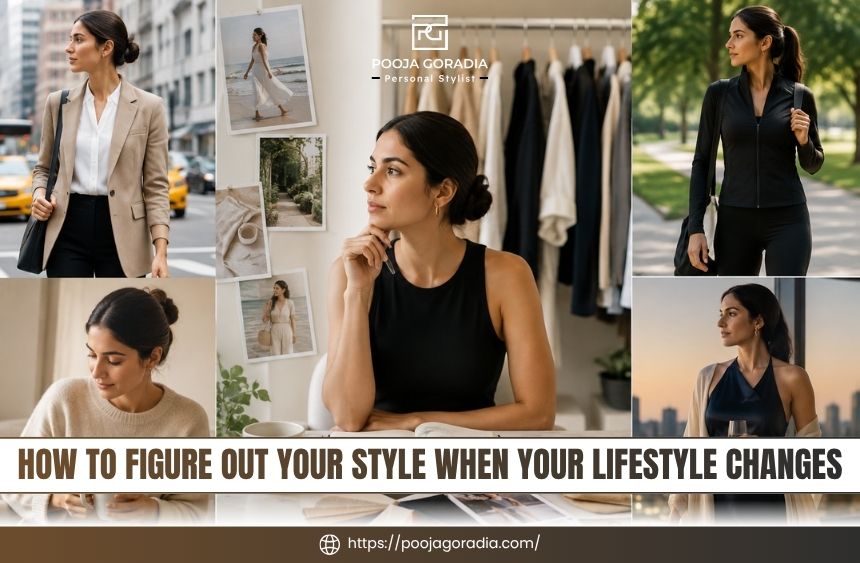
When you are learning how to figure out your style after a career change, move, new routine, or shift in priorities, the problem is often not that you have no style—it is that your wardrobe is still answering to an older version of your life.
Personal style matters because clothing needs to support the way you actually spend your time, move through the day, and want to be perceived.
This guide will help you identify what no longer works, understand your current preferences, develop a flexible signature style, recognize meaningful wardrobe gaps, and create a practical path forward.
How to Figure Out Your Style When Your Life Has Changed
A lifestyle change can make a familiar wardrobe feel strangely disconnected. A promotion may require more polished clothing, while a move to a more casual office may leave you with too many formal pieces.
A new commute can change your footwear needs. More travel may make easy layers and repeatable outfits important. A new social routine may call for clothing that works beyond the workday.
These changes often create a specific kind of frustration: you own plenty of clothes, but getting dressed still feels difficult. The issue is usually a mismatch between your current needs and the way your wardrobe was built. That clue helps clarify how to figure out your style.
Why Your Old Wardrobe May Feel Wrong
Clothing can still fit and technically be in good condition while no longer serving you. Perhaps a blazer feels too rigid for your current work environment. Maybe the dresses you once relied on do not suit a schedule that now involves walking, commuting, or caring for children.
You may have moved from a creative workplace to a more client-facing role and need more structure, or from a formal office to a flexible schedule and need clothing that can shift between settings. This also informs how to figure out your style.
This does not mean every older piece must go. Some items may still work when styled differently. Others may represent preferences you still have but no longer need in the same quantity.
The goal is to understand the reason for the disconnect before making decisions. Use that pattern when learning how to figure out your style.
Separate an Identity Shift From a Temporary Need
Not every change requires a completely new wardrobe. A temporary project, extended trip, or short-term event season may create a temporary clothing need. Buying extensively before you know whether the change will last can leave you with pieces that solve a narrow problem but do not support your broader life.
Start by asking three questions: What has changed? How long is it likely to last? Which clothing requirements are genuinely new? This helps you respond thoughtfully instead of shopping from uncertainty. It is a practical part of how to figure out your style.
For example, if you are attending several formal events this season, you may need a few well-chosen solutions rather than a permanent shift toward formal dressing. If your daily routine has changed for the foreseeable future, the answer may be a deeper update to your wardrobe strategy.
Style evolution is not about reacting to every new circumstance. It is about recognizing which changes deserve a lasting response. That distinction matters for how to figure out your style.

Start With Your Real Life, Not a Fashion Aesthetic
Many people begin looking for style inspiration by saving images or choosing an aesthetic label. That can be enjoyable, but it rarely solves the most important question: Will this approach work in your actual life?
A useful style direction must account for your schedule, comfort, responsibilities, environment, and the way you want to feel in your clothes. It gives you useful evidence for how to figure out your style.
Before deciding that you are classic, relaxed, edgy, feminine, or minimal, examine the settings your wardrobe must support now.
Map Your Current Routines
Review a normal week rather than an idealized one. Note where you spend time and what clothing each setting requires. Your list might include a commute, office days, virtual meetings, client appointments, school drop-off, exercise, dinners, weekends, travel, or cultural events.
Then consider the demands within each setting. Do you need to walk between meetings? Sit for long periods? Layer for inconsistent indoor temperatures? Move from work to dinner without changing?
Wear clothing that can handle a busy morning and still feel presentable in the evening? This is another clue for how to figure out your style.
This exercise often reveals that a wardrobe needs more than one broad category such as “work clothes” or “casual clothes.”
You may need polished pieces with movement, casual clothing with a sharper finish, or layers that connect different parts of your week. That observation can guide how to figure out your style.
Notice What You Avoid and What You Reach For
Your clothing habits provide better style information than a trend list. Look at the outfits you repeat, the items you leave untouched, and the combinations that require too much effort.
Pay attention to patterns. You might consistently choose softer fabrics, open necklines, ankle-length trousers, low-profile shoes, or a particular level of structure.
You might avoid anything that wrinkles easily, requires special undergarments, feels restrictive when seated, or needs complicated coordination. Use this information to shape how to figure out your style.
Also notice outfit friction. If you own attractive tops but rarely wear them because you cannot find the right bottom, that is useful evidence. If you repeatedly wear the same three outfits because they make you feel composed without requiring thought, those outfits may point toward your emerging signature style.
At Pooja Goradia, this kind of observation is central to practical styling. The most helpful recommendations are not based only on what looks appealing in isolation.
They connect your preferences to your real schedule, existing wardrobe, and daily comfort. This makes how to figure out your style less dependent on guesswork.
Define the Preferences Behind Your Signature Style
“Finding your style” becomes easier when you replace broad labels with specific observations. A label can be a starting point, but it is not detailed enough to guide a purchase.
Saying you like classic clothing does not tell you whether you prefer soft tailoring or sharp tailoring, fluid trousers or slim trousers, delicate accessories or bold ones. That pattern is valuable when considering how to figure out your style.
Your goal is to identify a point of view that feels recognizable and flexible—not to create a strict uniform.
Use Specific Style Language
Describe the details you consistently enjoy wearing. Consider the following questions:
- Do you feel best in relaxed, structured, or softly tailored silhouettes?
- Do you prefer outfits with clean lines, layered texture, expressive accessories, or subtle contrast? It gives you a clearer framework for how to figure out your style.
- Do you reach for fluid fabrics, sturdy materials, polished knits, or crisp cottons?
- Do you want your clothes to communicate ease, authority, creativity, warmth, refinement, or some combination?
You can also evaluate proportion. Perhaps you prefer a longer layer over a streamlined base, a fuller trouser with a neater top, or a simple outfit finished with a strong shoe or bag. These observations are more actionable than an aesthetic title because they help you recreate what works.
A helpful description might be “polished, relaxed, and quietly expressive” or “clean-lined, comfortable, and modern.” The exact words are less important than whether they accurately describe what you want to wear. Your repeated choices are useful evidence for how to figure out your style.
Build a Signature Style That Can Adapt
A signature style is not wearing the same outfit every day. It is a set of recognizable choices that can appear in different contexts.
You may repeat a preference for structured outer layers, refined basics, tonal dressing, sculptural jewelry, or comfortable footwear across work, weekends, and travel. That practical test can simplify how to figure out your style.
The same style point of view can also change with the level of formality. A relaxed tailored jacket may support a work outfit, a casual denim look, or an evening ensemble. A favorite color relationship may appear in a sweater and trousers one day and in accessories another day.
This flexibility matters when your lifestyle is in transition. You do not need separate identities for every part of your week. You need clothing that adjusts to the setting while still feeling like you. Notice this pattern as part of how to figure out your style.
If you are unsure whether a preference is genuine, test it through wear. Ask whether you like the item itself, how it feels on your body, and how easily it works with your routine. A style reference is useful only when it survives contact with real life.

Turn Your Style Direction Into a Practical Wardrobe Plan
Once you understand your current lifestyle and preferences, the next step is translation. This is where many wardrobe updates become unfocused. A person may know she wants to look more polished, modern, or effortless, but still buy pieces that do not connect to one another or solve her daily problems.
A practical plan gives each wardrobe decision a reason. This gives you another concrete way to approach how to find out your style.
Identify Functional and Styling Gaps
A wardrobe gap is not always a missing category. Sometimes you own the category but not the version that suits your life.
You may have trousers, for instance, but none that work with your commute, preferred proportions, or current professional setting. You may own dresses but lack a layer and shoe combination that makes them useful beyond special occasions.
Look for the items that connect outfits. These might include a comfortable polished shoe, a versatile jacket, a reliable trouser silhouette, a layer for changing temperatures, or accessories that make simple clothing feel intentional. Real-life use is an important guide for how to figure out your style.
Prioritize gaps according to frequency and impact. A piece needed several times a week usually deserves attention before an item for a rare scenario. Also consider whether the gap affects several existing garments. The best addition often makes multiple outfits easier rather than creating one new look.
Shop for Outfits, Not Isolated Pieces
Before buying something, identify at least two or three realistic ways to wear it with clothing you already own.
Consider where those outfits would be worn, whether they suit your comfort requirements, and whether you would reach for them on an ordinary day—not only in an imagined future version of your life. That comparison can sharpen how to figure out your style over time.
This approach also helps you assess trade-offs. A highly versatile item may be worth prioritizing, but versatility should not mean settling for something you do not enjoy wearing.
A statement piece can be valuable when it reflects your style and fills a genuine need, but it should not be purchased simply because it looks distinctive online.
Think about care, movement, weather, maintenance, and frequency of wear. A beautiful garment that requires constant adjustment may not be a practical choice for your routine.
Personal style becomes sustainable when your clothes are appealing enough to wear and functional enough to earn their place. These details create a stronger foundation for how to figure out your style.
Use a Personal Stylist When the Translation Is the Hard Part
You may understand that your life has changed without knowing how to convert that realization into clothing decisions. This is where a dressing stylist can provide useful structure.
The process can begin with your lifestyle, current wardrobe, preferences, and areas of frustration, then move toward outfit combinations and a focused shopping strategy. That response is worth tracking when deciding how to figure out your style.
A personalized style process may be especially helpful when you are returning to an office, changing careers, moving into a more visible role, traveling more often, or adjusting to a new rhythm at home.
The right support should not impose an identity. It should help you articulate what already feels authentic and make it easier to express consistently. Use the result as evidence for how to figure out your style.
Pooja Goradia approaches personal styling as a practical partnership. Through services such as personal styling, wardrobe review, outfit guidance, and personal shopping, the focus can be on clarifying what you need, using what still works, and identifying the additions that support your next chapter.
The scope of support can vary according to your wardrobe, goals, schedule, and styling needs.
The value of working with a personal wardrobe stylist is often the translation: turning “I want to look more like myself again” into clearer outfit formulas, useful wardrobe priorities, and choices you can repeat with confidence.
Wrapping Up
Learning how to figure out your style after a lifestyle change begins with observation, not shopping.
Look closely at your current routines, the clothing you avoid, the outfits you repeat, and the details that make you feel comfortable and composed. Those patterns reveal more than a temporary trend or an aesthetic label.
From there, define your preferences in specific language, develop a signature style that can adapt to different settings, and identify the wardrobe gaps that create the most daily friction.
Buy or plan around real outfits rather than isolated pieces, and give lasting lifestyle changes a more thoughtful response than temporary circumstances. This keeps how to figure out your style grounded in your actual routine.
Your style does not need to remain fixed to be authentic. It can evolve as your work, responsibilities, environment, and priorities change while still feeling unmistakably yours.
If the translation from lifestyle change to wardrobe strategy feels difficult, Pooja Goradia can help you clarify your direction and build a more intentional approach to personal styling. The next step may be as simple as documenting your current week and choosing one wardrobe challenge you are ready to solve.
Looking for more personal styling inspiration? Follow Pooja Goradia on Instagram for practical style ideas, wardrobe inspiration, and thoughtful tips to help you dress with confidence as your lifestyle evolves. Follow along on Instagram and discover ways to make your wardrobe work for the life you live now.